Community find
Deer Mushroom
Pluteus cervinus
- Group
- gilled mushroom
- Spore print
- Salmon pink to brownish-pink.
- Size
- Cap diameter 3-12 cm; stipe 5-10 cm long and 0.5-1.5 cm thick.
- Season
- Typically found from late spring through late fall.
- Habitat
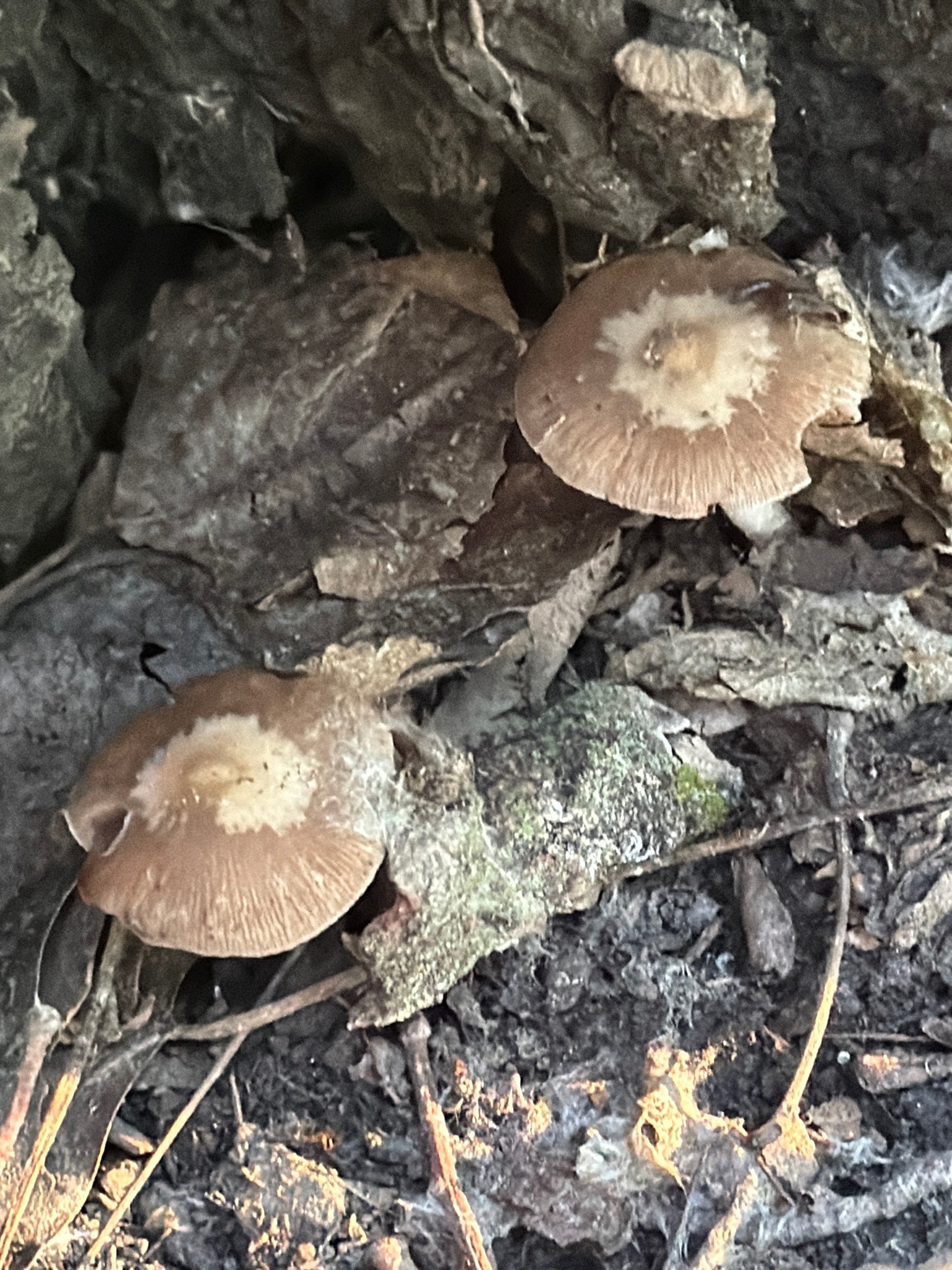
- Grows on rotting logs, stumps, and wood chips of both deciduous and coniferous trees.
- Distribution
- Widely distributed throughout North America and Europe.
- Key characteristics
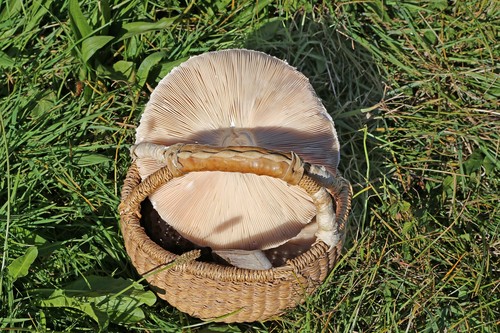
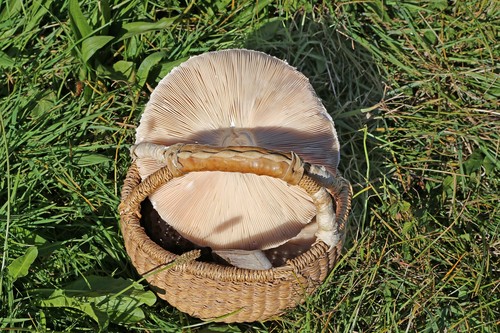
- Brown to grayish-brown cap, often radical-streaked or slightly wrinkled over the center, with free pinkish-brown gills and a pale stipe that lacks a ring or volva.
- Fruiting body
- Cap is 3-12 cm wide, convex to flat, often with a slight central bump (umbo); surface is smooth to finely fibrillose. Gills are crowded, free from the stipe, white when young, turning pinkish-salmon as spores mature. Stipe is 5-10 cm long, 0.5-1.5 cm thick, solid, white to gray-brown, and relatively brittle.
- How to recognise it
- Look for the pink spore print, free gills (not touching the stem), and its characteristic growth directly on decaying wood.
- Look-alikes
- Megacollybia rodmanii (Platterful Mushroom) which has attached gills and white spores; other Pluteus species which may require microscopy for definitive ID.
- Ecological role
- Saprophytic, acting as a primary decomposer of dead wood and organic matter in forests.
- Notes
- The genus name 'Pluteus' is Latin for a pent-house or shed-like structure, while 'cervinus' means deer-colored, referring to the brown cap. Microscopically, the cystidia (cells on the gill surface) often have characteristic 'antlers' or horns.