Community find
Deer Mushroom
Pluteus cervinus
- Group
- gilled mushroom
- Spore print
- Pink to salmon-brown
- Size
- Cap 5-12 cm in diameter; stipe 5-10 cm long and 0.5-1.5 cm thick.
- Season
- Widely found from Spring to late Autumn, particularly after heavy rains.
- Habitat
- Grows solitarily or in small groups on decaying hardwood logs, stumps, or buried wood mulch.
- Distribution
- Widely distributed throughout North America and Europe.
- Key characteristics
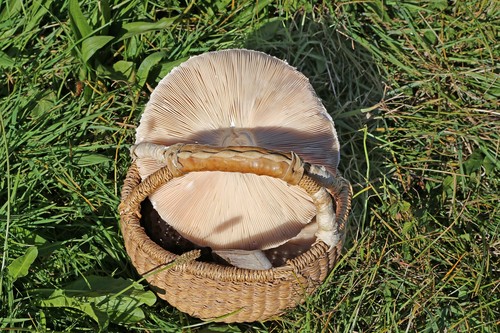
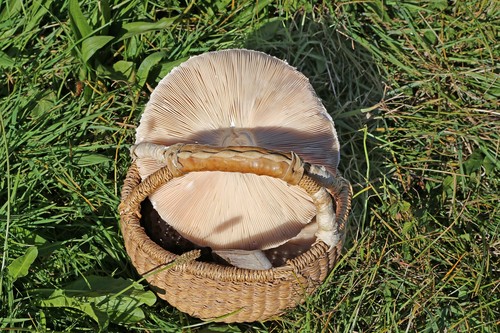
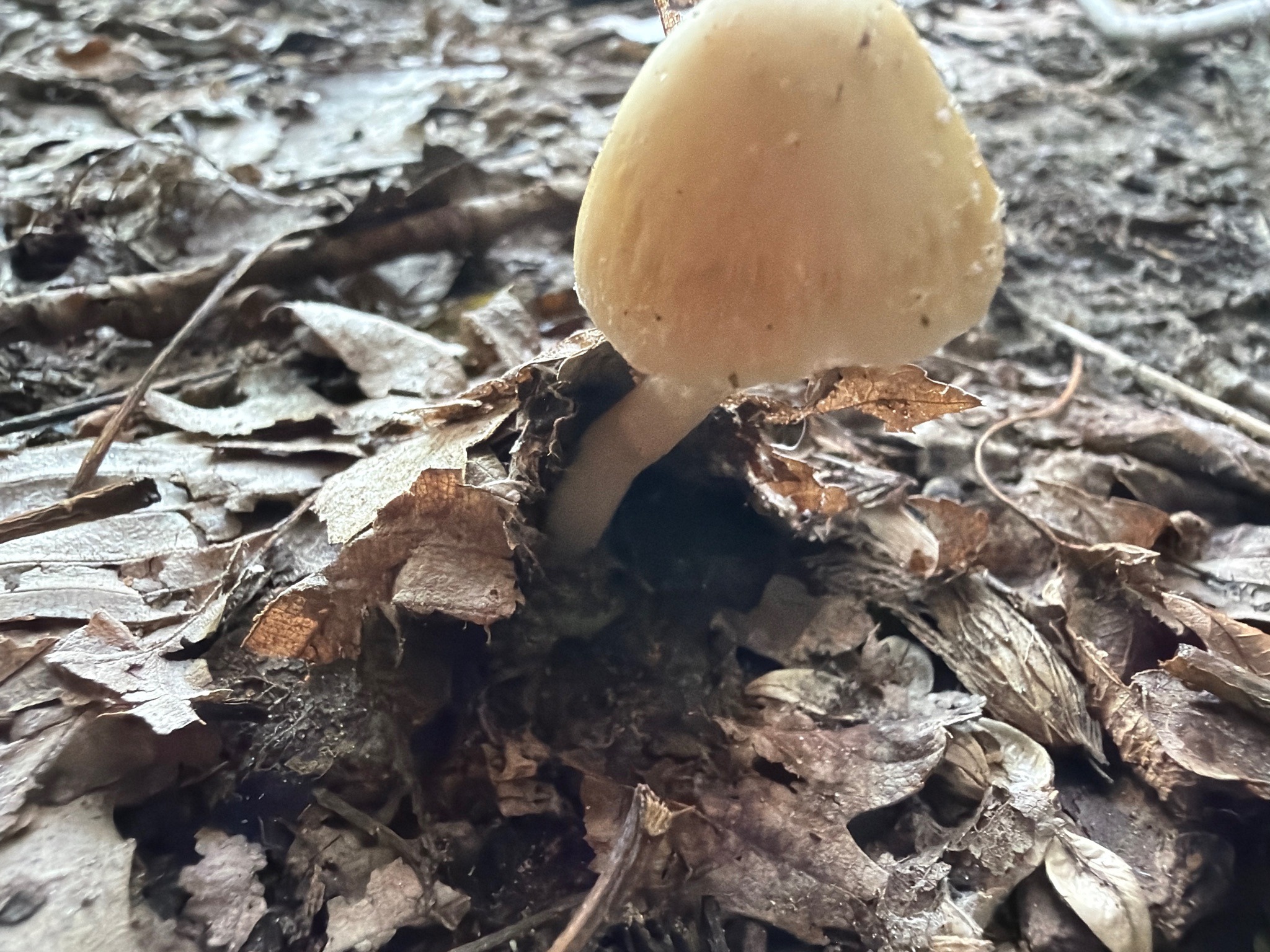
- Pale brown to grayish-brown cap, free gills, white to pinkish-tan stipe without a ring or volva, soft and fragile flesh.
- Fruiting body
- The cap is bell-shaped to convex, smoothing out with age; gills are crowded and free from the stipe, white when young turning pink; stipe is solid and fibrous.
- How to recognise it
- Look for the distinctive salmon-pink gills that do not touch the stem (free gills) and the growth directly on wood or mulch.
- Look-alikes
- Pluteus petasatus (lighter cap, grows on wood chips), Amanita species (differentiated by having a volva or ring and white spore print).
- Ecological role
- Saprophytic, breaking down dead wood and contributing to nutrient cycling in forest ecosystems.
- Notes
- The species name 'cervinus' is Latin for 'deer-colored.' Microscopically, this mushroom is known for having unique 'horn-like' cystidia (sterile cells) on the gills.