Community find
Deer Mushroom
Pluteus cervinus
- Group
- gilled mushroom
- Spore print
- Pink to salmon-pink
- Size
- Cap diameter 3–12 cm; stipe length 5–13 cm and 0.5–1.5 cm thick.
- Season
- Spring through autumn in most temperate regions, often after heavy rain.
- Habitat
- Found growing on dead wood, including logs, stumps, and piles of wood chips, as well as soil containing buried wood.
- Distribution
- Widely distributed across North America, Europe, and parts of Asia.
- Key characteristics
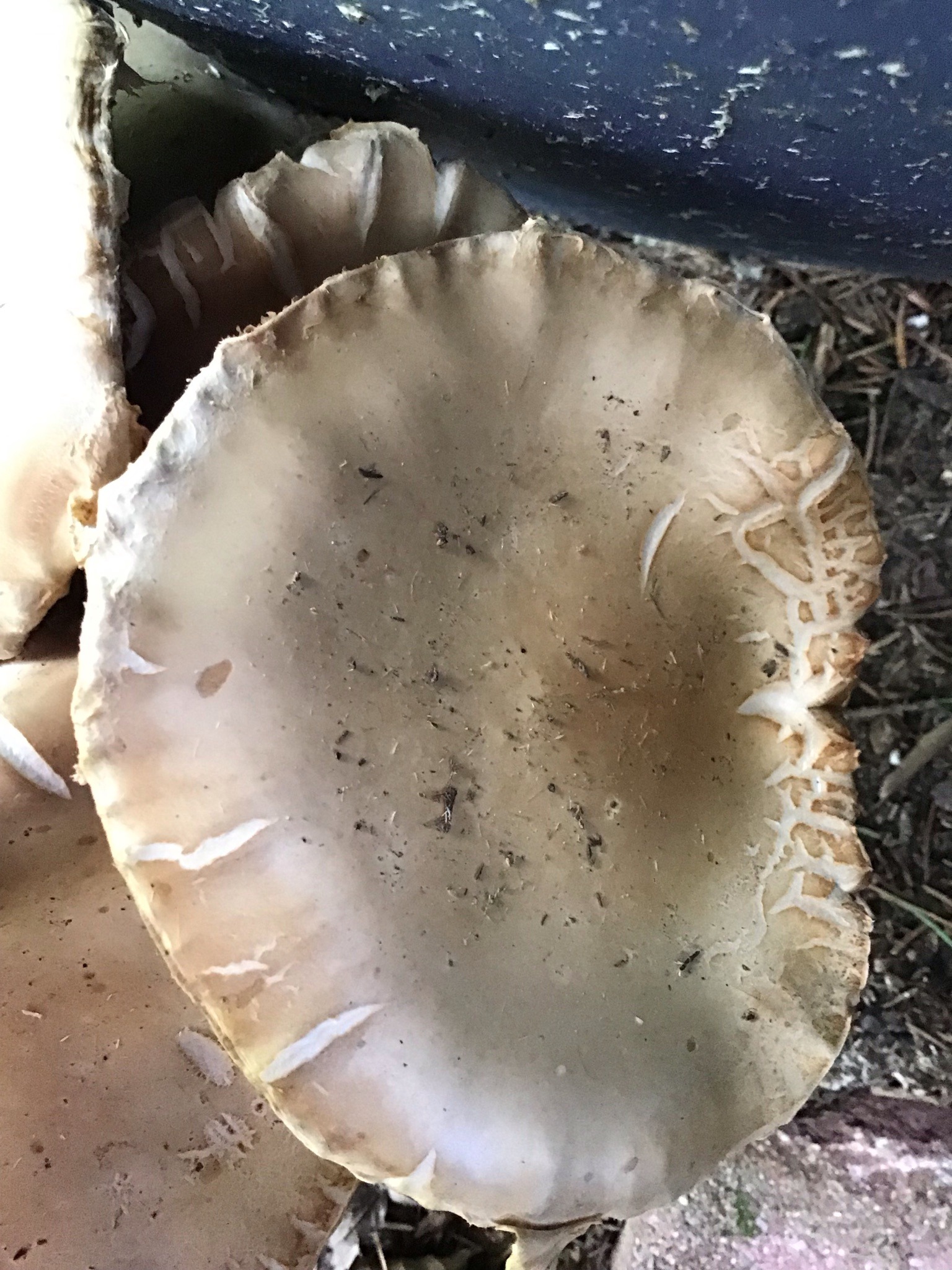
- Gray-brown to dark brown smooth cap that is often slightly wrinkled or streaked with fine fibers; free gills that start white and turn pinkish as spores mature; usually found on decaying wood or buried wood.
- Fruiting body
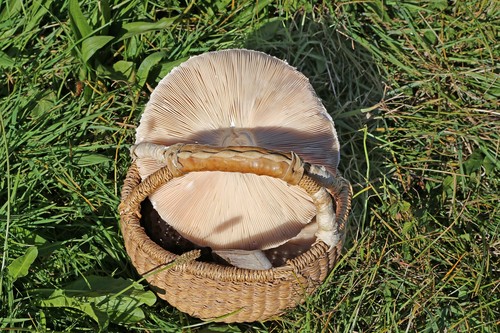
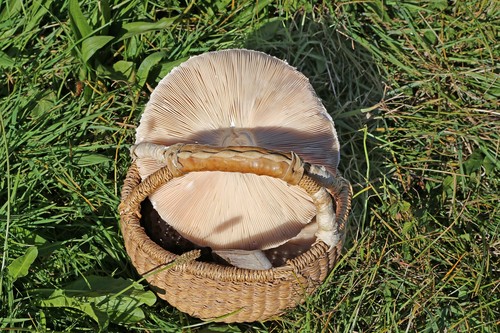
- The cap is convex to broadly convex or flat, often with a slight central bump (umbo). The hymenophore consists of crowded, broad gills that are free from the stem. The stipe is solid, white to grayish, and lacks both a ring and a volva.
- How to recognise it
- Look for pink gills that are clearly 'free' (not touching the stem) and a preference for growing directly on wood. The cap skin can be peeled away easily.
- Look-alikes
- Pluteus petasatus (lighter cap, prefers wood chips), Megacollybia rodmanii (white gills, has rhizoids/thick white cords at base), Entoloma species (which grow on the ground, never on wood, and have attached gills).
- Ecological role
- Saprophytic, breaking down hardwood and sometimes softwood debris.
- Notes
- The scientific name 'cervinus' is Latin for 'deer-like,' referring to the cap color. Although it is a common species, it is part of a complex of several genetically distinct species that look almost identical to the naked eye.